
How to Sell a Renovated Apartment for More Value
Learn how to sell a renovated apartment with the right scope, pricing, staging, and documentation to attract confident buyers and protect its value today.
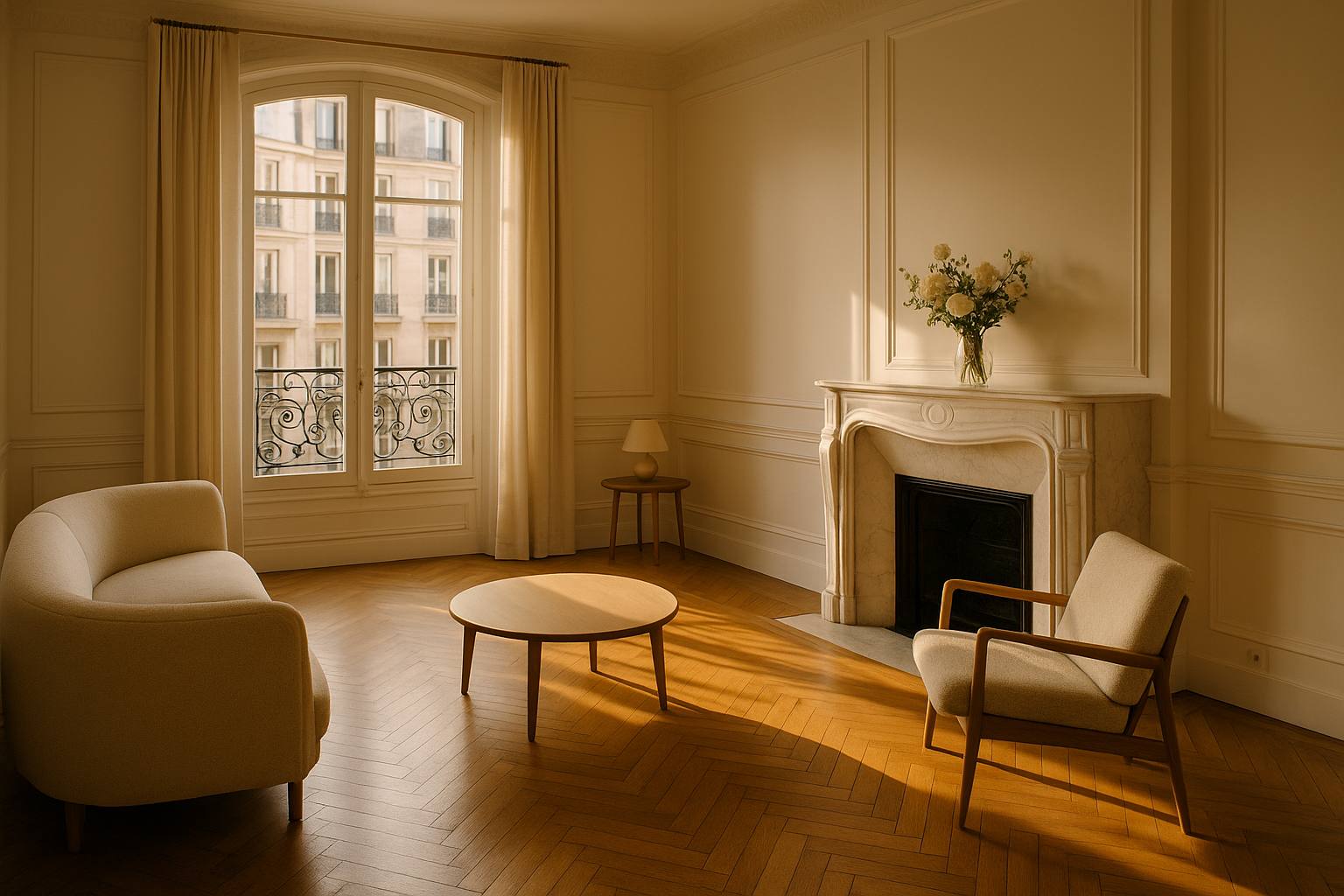
A renovated apartment can lose much of its advantage in the first 20 seconds of a viewing. Not because the work was poor, but because the price, presentation, or proof of quality leaves buyers uncertain. Knowing how to sell a renovated apartment means turning every improvement into a clear reason to act, not simply hoping buyers notice the new kitchen or fresh paint.
For sellers in Paris and the Île-de-France region, the strongest results come from a renovation planned around market appeal from the beginning. The goal is not to create a home that suits every personal preference. It is to deliver an apartment that feels refined, practical, move-in ready, and easy to trust.
Start With the Right Renovation Scope
A successful resale renovation is selective. Buyers pay a premium for an apartment that removes future work, but they do not necessarily pay back every euro spent on highly personal finishes or overly complex layouts.
Start with the elements that shape a buyer’s confidence: a functional kitchen, an impeccably finished bathroom, well-designed storage, quality flooring, reliable electrical work, and a coherent lighting plan. In an older Paris apartment, respecting original details such as moldings, hardwood floors, fireplaces, or ceiling height can add as much value as contemporary upgrades. The most convincing projects balance character with modern comfort.
Energy performance also deserves attention. A strong energy rating can widen the buyer pool, reduce concerns about future regulations, and make operating costs more reassuring. The right work may include insulation where feasible, efficient heating, improved ventilation, and upgraded windows, always assessed against the building’s constraints and the likely resale value.
The trade-off is simple: invest where buyers see daily benefit. A premium stone countertop or custom millwork may be worthwhile in a high-end address where expectations are elevated. In a more price-sensitive market, clean, durable, timeless materials may produce a stronger return.
Design for Broad Appeal, Not Personal Taste
The most valuable renovated apartments feel finished without feeling prescribed. Buyers should be able to imagine their own life in the space from the moment they enter.
Choose a restrained palette, warm neutral colors, and materials that age well. Avoid highly distinctive wallpaper, unusual color schemes, or built-in features that solve a niche problem. A deep green study may look exceptional in photographs, for example, but it can make a buyer worry about repainting before move-in. A flexible second bedroom or office, on the other hand, makes a compact apartment more useful to couples, families, and remote professionals alike.
Good design also improves the perceived size of the home. Thoughtful circulation, concealed storage, layered lighting, and properly scaled furniture can make a modest footprint feel calm rather than constrained. This matters especially in urban apartments, where every square foot is evaluated closely.
Price the Apartment, Not the Invoice
One of the most common mistakes when selling after renovation is adding the full renovation budget to the former market value. The market does not price an apartment according to what the seller spent. It prices the result against comparable homes, location, condition, energy performance, floor plan, natural light, floor level, elevator access, outdoor space, and building quality.
A renovation should help your apartment compete at the top of its relevant category. It may justify a higher asking price, shorten time on market, or reduce negotiation pressure. The exact outcome depends on the address and the quality of comparable listings available at that moment.
Use recent sales and active listings to establish a realistic range, then assess where your home belongs within it. An apartment with an elegant, documented renovation should not be positioned beside properties requiring substantial work. Equally, an ambitious asking price can weaken the impact of an exceptional renovation if buyers see little evidence for the premium.
A clear valuation strategy is particularly valuable in a changing market. Pricing slightly below the level where interest falls away can create early momentum. For a rare property with a distinctive view, terrace, or prime location, a more ambitious position may be justified. It depends on scarcity, not just finish level.
How to Sell a Renovated Apartment With Proof
Buyers may admire a finished space, but serious buyers also want to understand what sits behind the walls. This is where documentation turns a renovation from a visual promise into a credible investment.
Prepare a concise, well-organized file before the first listing goes live. It should include:
- detailed invoices and warranties for major work and equipment
- plans showing the revised layout, where relevant
- required property disclosures and energy performance documentation
- permits, approvals, or building authorizations, if applicable
- a clear summary of the work completed, dates, materials, and contractors involved
Do not overwhelm prospective buyers with a stack of technical papers at the first viewing. Instead, create a polished renovation summary that explains the project in plain language. State what was upgraded, why it was done, and which elements contribute to comfort, efficiency, and long-term reliability.
A professionally managed project has an additional advantage: buyers can see that decisions, budgets, and workmanship were controlled from start to finish. This reassurance is valuable when the apartment is being sold shortly after completion, when buyers may naturally wonder whether the work was designed to last.
Prepare the Home for Its First Showing
A completed renovation is not automatically ready for sale. Styling, photography, and viewing conditions determine whether buyers understand its value quickly.
Remove personal belongings, excess furniture, and temporary storage. Each room should have an obvious purpose. If the apartment has a small alcove, show it as a focused workspace or reading area rather than leaving it undefined. If a bedroom is compact, use furniture that demonstrates its function without making the room feel crowded.
Professional photography is essential, but it should reflect the reality buyers will encounter. Schedule it when natural light is strongest, turn on layered lighting, and ensure every surface is immaculate. Wide-angle images can help establish context, yet overly distorted photography creates disappointment during viewings. Accuracy builds trust.
Small operational details matter too. Repair sticking doors, replace a weak lightbulb, silence noisy ventilation, and make sure every appliance works. Buyers interpret minor defects as signals. In a renovated apartment, they expect the experience to feel considered all the way through.
Tell a Buyer-Focused Story
The listing should not read like a catalog of finishes. It should explain the experience of living there: the quiet bedroom facing the courtyard, the storage that makes daily life easier, the morning light in the kitchen, or the energy upgrades that support comfort year-round.
Lead with the apartment’s strongest commercial advantage, whether that is a complete renovation, a sought-after address, a high floor, an outdoor area, or an optimized layout. Then support that promise with specifics. “Fully renovated” is a starting point. “Renovated with new electrical systems, custom storage, oak flooring, upgraded insulation, and a redesigned kitchen” gives buyers something tangible to value.
During viewings, let the apartment do most of the work. The best presentation is calm, bright, and organized. Be ready to answer questions about the scope, timing, and guarantees of the renovation, but avoid overselling. Confidence comes from clarity.
Work With One Accountable Project Partner
If you are renovating specifically to sell, coordination is not a background detail. Delays, budget drift, and inconsistent finishes can undermine the margin you hoped to create. A single accountable partner helps align design choices, construction quality, schedule, and resale goals before work begins.
Lumiera approaches resale renovations as value-creation projects, combining design, all-trades coordination, budget oversight, and daily progress visibility through one dedicated point of contact. That structure gives sellers a clearer path from initial scope to a property ready for market, with fewer moving parts to manage personally.
The best time to protect your sale is before the first demolition begins. Set the target buyer, the desired market position, and the level of finish early. Then let every decision, from the floor plan to the final styling, support one clear message: this is an apartment a buyer can choose with confidence.