
Should You Renovate Before Selling a Home?
Should you renovate before selling home? Learn which Paris upgrades improve buyer confidence, protect your timeline, and support a stronger sale price.
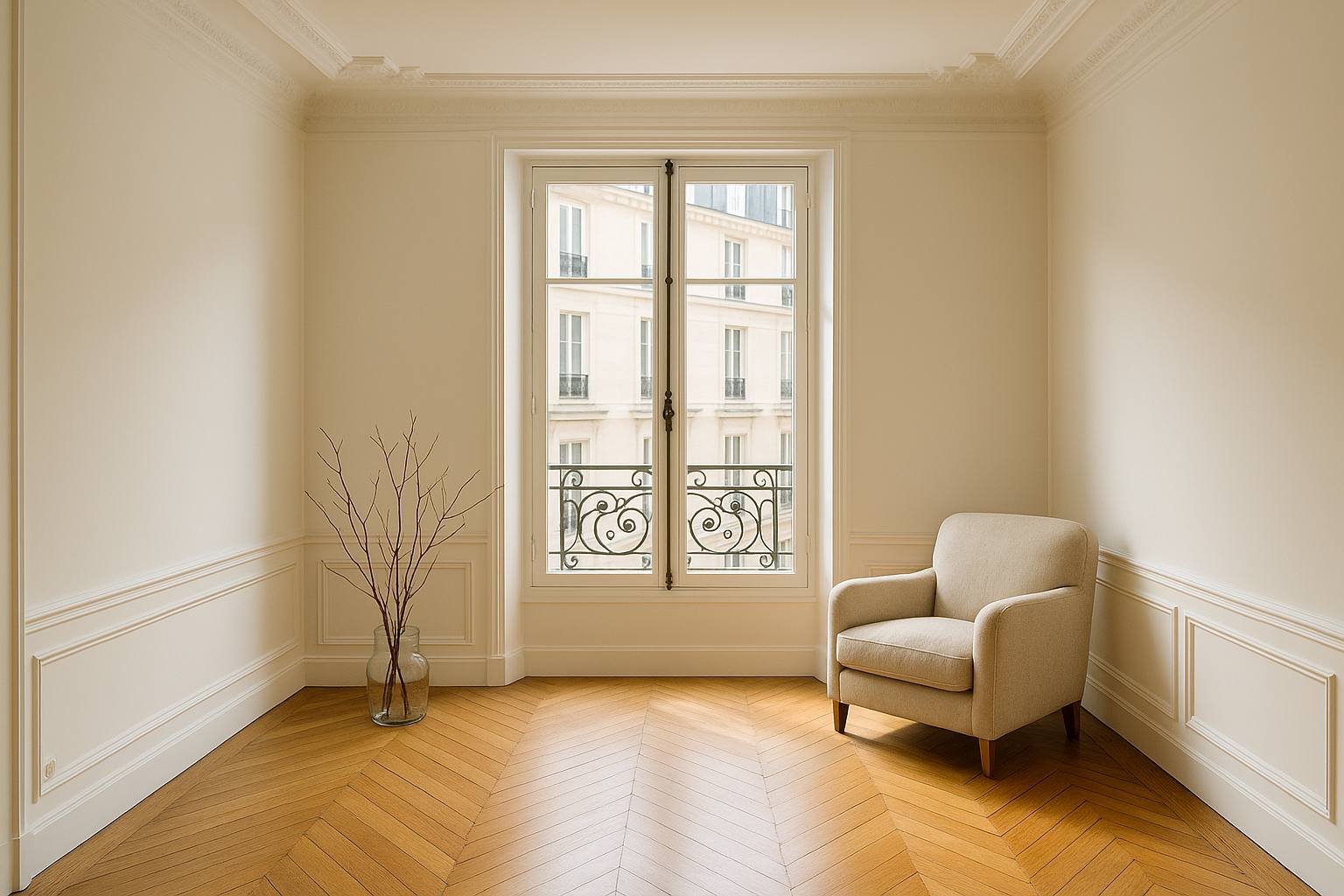
A dated kitchen can cause buyers to mentally subtract far more than the work will actually cost. So can tired flooring, poor lighting, visible water damage, or a layout that feels neglected. The decision to renovate before selling home is therefore not simply a question of taste. It is a decision about buyer confidence, sale timing, and the perceived value of your property.
For sellers in Paris and the Île-de-France region, presentation matters intensely. Buyers often make fast judgments, especially when comparing several apartments in a single day. A well-prepared home signals care, reduces uncertainty, and helps a buyer picture life there from the first visit. The right renovation can protect your negotiating position. The wrong one can consume time and budget without changing the result.
Should You Renovate Before Selling a Home?
Usually, the answer is not to renovate everything. It is to resolve the issues that stand between a buyer and a confident offer.
A property in a desirable location may sell without extensive work, particularly if buyers are actively seeking an opportunity to personalize a space. Yet even in strong neighborhoods, obvious defects and dated finishes can narrow the audience. Some buyers will walk away. Others will stay interested but build a substantial renovation allowance into their offer.
The question is not, “What would make this home perfect?” It is, “What will make its value immediately legible to the right buyer?” That distinction keeps a pre-sale project focused, disciplined, and commercially sound.
A renovation is most likely to be worthwhile when the property has clear strengths that are being hidden by its condition. Think of a Haussmann-era apartment with beautiful proportions but worn walls and an aging bathroom, or a family home with strong outdoor space but poorly maintained finishes. In these cases, thoughtful work can reveal value that already exists.
It may be less appropriate to undertake a major renovation when a buyer is likely to reconfigure the property entirely, when the local market strongly favors renovation projects, or when your selling timeline is tight. A premium renovation deserves proper planning and execution. Rushing it can introduce delays, compromises, and costs that are difficult to recover.
Start With the Buyer’s Point of View
Before setting a scope, assess the property as a buyer would. The most influential issues are rarely decorative in isolation. They are the elements that suggest future expense, disruption, or uncertainty.
Signs of moisture, electrical concerns, damaged joinery, poorly functioning windows, and aging plumbing deserve attention because they raise immediate questions. Even when a buyer understands that an older Paris property needs care, visible maintenance issues can make the entire home feel riskier than it is.
Next comes the experience of the space. Dark rooms, inconsistent flooring, stained paintwork, cluttered storage, and awkward lighting can make a property feel smaller or less functional. These are often the most effective areas for improvement because they change the feeling of a visit without requiring a full redesign.
Finally, consider the features buyers compare most closely: the kitchen, bathrooms, flooring, storage, and energy performance. A complete replacement is not always necessary. Sometimes new hardware, a refined paint palette, improved lighting, repaired surfaces, and carefully selected fixtures create the level of finish the property needs.
Invest Where Uncertainty Is Highest
The best pre-sale renovations reduce friction. They allow buyers to focus on the home’s architecture, location, light, and potential rather than on a list of tasks waiting for them after completion.
Resolve defects before upgrading finishes
A beautiful new vanity will not offset a visible leak. Addressing defects first is both practical and strategic. Repair water damage, stabilize loose flooring, correct obvious electrical issues, service ventilation, and ensure doors, windows, and built-in elements work properly.
This work may not be the most photogenic, but it supports trust. Buyers are more receptive to a home that feels properly maintained, even if some finishes remain simple.
Refresh the rooms that set the tone
The entry, living areas, kitchen, and primary bathroom have an outsized effect on perception. These are the spaces buyers remember after a viewing and discuss when comparing properties.
Neutral does not have to mean bland. A warm, timeless palette, considered lighting, clean lines, and balanced materials can make a home feel composed rather than generic. In Paris, preserving the character of original moldings, parquet, fireplaces, or tall windows while updating the surrounding finishes is often more valuable than replacing everything with a trend-driven look.
Improve energy performance when it changes the conversation
Energy renovation can be particularly meaningful when poor performance is likely to concern buyers or affect a property’s future appeal. Better insulation, efficient heating, upgraded windows where appropriate, and improved ventilation may add tangible value. They can also reassure buyers who want greater comfort and more predictable operating costs.
The right scope depends on the building, existing systems, condominium requirements, and the time available before sale. Not every measure belongs in a pre-sale project, but ignoring an obvious energy issue can leave room for a buyer to negotiate aggressively.
Avoid Renovations That Reflect Only Your Taste
A home prepared for sale should feel finished, not overly personalized. Highly specific colors, unusual materials, or expensive custom features can be beautiful, but they may not translate into a higher offer from a broader pool of buyers.
This does not mean stripping a property of personality. It means choosing enduring details that make the home easy to appreciate. Quality is visible in clean alignment, well-resolved transitions, natural light, thoughtful storage, and materials that feel appropriate to the property. Buyers notice the difference between a cosmetic cover-up and work completed with care.
Major structural changes also deserve caution. Moving kitchens, reworking plumbing, or changing the layout can be justified when the existing plan is a genuine obstacle to sale. But these projects require coordination, approvals in some cases, and a reliable schedule. They are best undertaken when the expected gain clearly outweighs the additional complexity.
Set a Scope That Matches Your Sale Timeline
The biggest pre-sale mistake is beginning without a defined commercial objective. Decide whether your priority is selling quickly, reaching a stronger price point, attracting a more premium buyer, or improving a property that is likely to sit on the market as it stands.
Then establish a clear budget and schedule before any work begins. The budget should include not just construction, but design decisions, materials, building access, final cleaning, and presentation. The schedule should account for procurement, trade coordination, quality checks, and a contingency for discoveries in older properties.
For busy sellers, the value of a single accountable partner is considerable. A well-managed turnkey project brings design, all trades, budget oversight, and site coordination into one organized process. Rather than fielding calls from multiple contractors, the owner receives one clear point of contact, a detailed quotation, a construction schedule, and regular progress visibility.
At Lumiera, daily project updates through a dedicated app help clients remain informed without having to manage the site themselves. That level of transparency is especially useful when a sale date, relocation, or new property purchase is already demanding attention.
Prepare the Home for Its First Impression
Renovation is only part of pre-sale preparation. Once work is complete, the property should be presented with the same care. Professional cleaning, repaired details, balanced lighting, and appropriately scaled furnishings can help buyers understand how each room works.
Do not let the final ten percent undermine the investment. Unfinished caulking, missing switch plates, inconsistent paint touch-ups, or debris in storage areas can make a completed renovation feel rushed. A careful handover and final inspection matter because buyers will notice what remains unresolved.
Photography should come after the home is genuinely ready. The goal is not to make the property look different online than it does in person. It is to ensure that its strongest qualities are clear before a buyer steps through the door.
A pre-sale renovation works best when it is measured, well-executed, and tied to a specific selling strategy. Give buyers fewer reasons to hesitate, and more reasons to feel that this is a home worth choosing.