
Premium Apartment Renovation Paris Guide
Planning a premium apartment renovation Paris owners can trust means balancing design, permits, timelines, and resale value with precision.
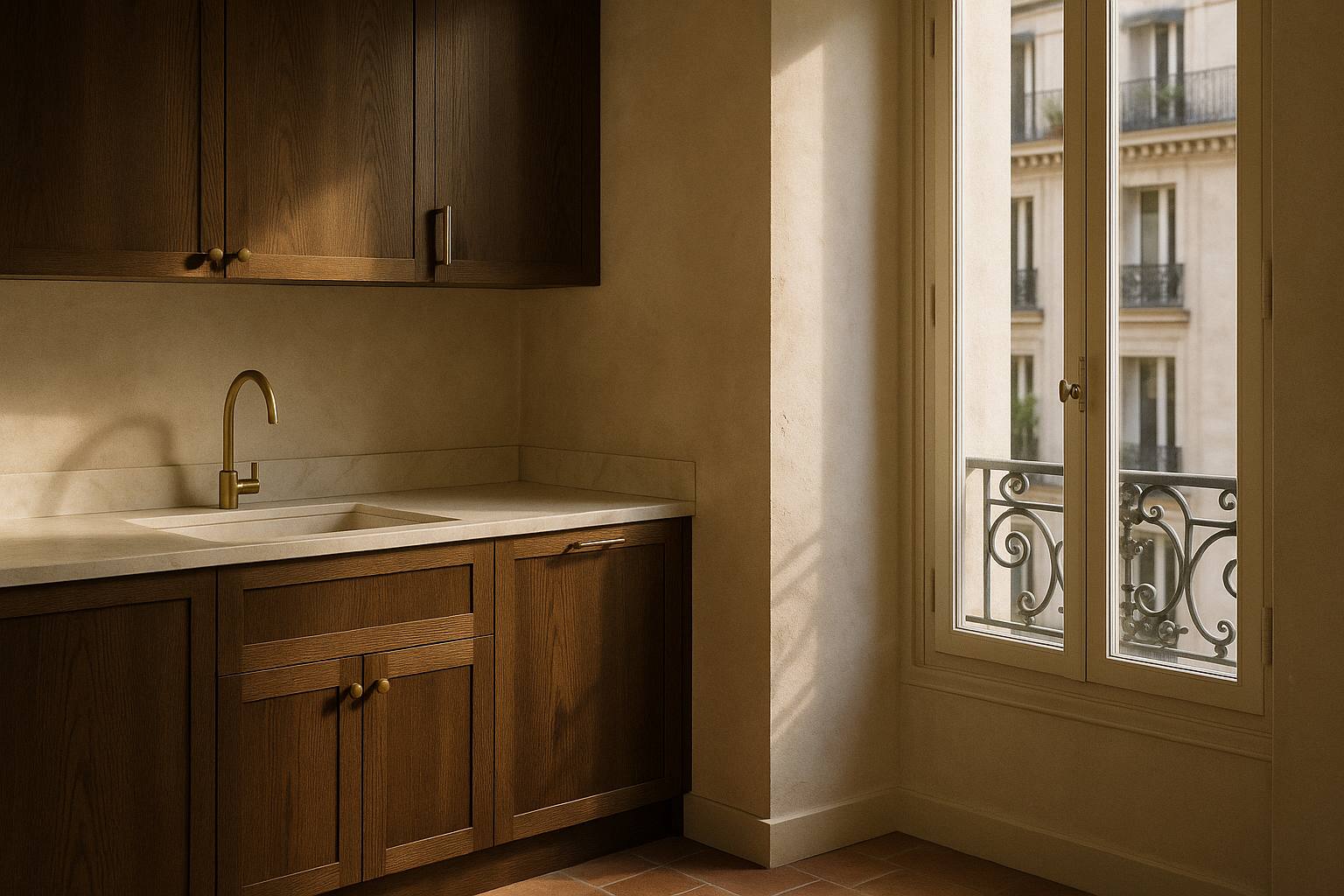
A Paris apartment can be extraordinary on paper and deeply impractical in daily life. Beautiful moldings, strong address, generous ceiling height, and then a cramped kitchen, poor insulation, outdated wiring, and no real storage. That is where a premium apartment renovation Paris owners invest in becomes less about decoration and more about making the property fully live up to its potential.
In Paris, renovation is rarely a cosmetic exercise. It is a strategic project that affects comfort, long-term value, energy performance, and, just as importantly, your time. For homeowners, buyers, and sellers with high expectations, the real question is not whether to renovate. It is how to do it with clarity, control, and a result that feels as good as it looks.
What defines a premium apartment renovation in Paris
A premium renovation is not simply a higher finish budget. It is a different standard of thinking from the start. The project is designed around the way the apartment will be used, the constraints of the building, and the financial logic behind each decision.
That means the layout is studied with precision. Circulation matters. Natural light matters. Storage matters. Acoustic comfort matters. A beautiful apartment that still functions poorly is not a premium result.
It also means the work is managed as a complete operation, not as a collection of disconnected tasks. In Paris, apartments often sit inside older buildings with structural rules, co-op requirements, access constraints, and neighborhood logistics that can complicate even simple work. Premium execution depends on careful planning, transparent budgeting, disciplined scheduling, and one accountable team overseeing the whole process.
Design quality is part of the equation, but so is restraint. The most successful Paris renovations do not chase short-term trends. They create interiors that feel calm, timeless, and tailored to the property itself. In a Haussmann apartment, that may mean preserving original character while refining the floor plan and modern systems. In a more contemporary space, it may mean bringing warmth, coherence, and stronger material choices to a generic shell.
Why Paris demands a different renovation approach
A premium apartment renovation Paris clients expect cannot be managed like a suburban house remodel. The city imposes its own rules, and those rules affect cost, timing, and execution.
Buildings are older, and hidden conditions are common. Once walls or floors are opened, it is not unusual to discover uneven substrates, aging pipes, or electrical installations that need full correction. Common areas must be protected. Deliveries may need to be scheduled carefully. Certain buildings have strict rules on noise, elevator use, or the hours when crews can work.
Then there is the question of approvals. Depending on the scope, you may need building authorization, co-op validation, or technical studies before work begins. This does not mean every renovation becomes complicated. It means the project should be structured correctly from day one.
For busy owners and buyers, this is often where stress begins. The issue is not just technical complexity. It is the amount of coordination required. If the designer, contractor, trades, and budget manager all work separately, small decisions become delays, and delays become cost overruns.
Start with the right objective, not the finish palette
The smartest projects begin with a clear objective. Are you renovating to improve daily life, preparing to sell, or buying a property that needs transformation before move-in? The answer changes the entire strategy.
If you are renovating to stay, priorities usually center on comfort, space planning, energy upgrades, and materials that age well. You are optimizing for quality of life over many years. That often justifies deeper work, such as reconfiguring the kitchen, upgrading insulation, replacing windows where permitted, or creating custom storage that makes the apartment feel larger and calmer.
If you are renovating to sell, the logic is different. The goal is not to personalize the property. It is to remove friction for future buyers and increase perceived value. That typically means correcting what weakens confidence: dated bathrooms, poor lighting, tired finishes, inefficient layouts, or signs of deferred maintenance. The best resale renovations feel fresh, elegant, and broadly desirable.
If you are buying in Paris, renovation strategy should begin before the purchase is finalized. A property can look overpriced or unappealing to the general market and still be an excellent acquisition if the renovation plan is sound. But that only works if the likely budget, timeline, and technical constraints are evaluated early enough to inform the negotiation.
Budgeting well means understanding where value is created
Premium does not mean spending without discipline. It means allocating the budget where it creates the strongest return, whether that return is daily comfort, resale value, or risk reduction.
In Paris apartments, layout and infrastructure often matter more than surface-level finishes. A stunning stone countertop will not compensate for a poorly planned kitchen. Likewise, designer fixtures cannot hide an obsolete electrical system or inadequate heating.
The budget should usually distinguish between structural necessities, performance upgrades, and visible finishes. Structural and technical work protects the project. Performance upgrades improve comfort and future value. Finishes define the final perception of quality. All three matter, but not equally in every apartment.
There are also trade-offs. Bespoke millwork adds polish and functionality, but not every room needs it. Premium natural materials can elevate a project, but they should be used intentionally, not everywhere at once. The right balance depends on the property, the objective, and the expected market position.
This is one reason transparent estimating is so important. Clients should know what is essential, what is optional, and what is likely to influence value the most.
Design should improve the apartment, not compete with it
The best Paris renovations have confidence. They do not try to impress through excess. They clarify the apartment's strengths and quietly resolve its weaknesses.
In practice, this often means simplifying visual noise, improving proportions, and using materials with consistency. A coherent apartment feels more luxurious than one filled with competing gestures. Sight lines are cleaner. Storage disappears into the architecture. Kitchens feel integrated into the home rather than added as equipment. Bathrooms feel composed, not merely upgraded.
For classic Paris properties, preserving identity is often critical. Original moldings, parquet, fireplaces, and ceiling height can be powerful assets when paired with modern comfort. The premium move is usually not to erase these features, but to restore what matters and edit what does not.
For newer apartments, the challenge is different. The space may be technically simpler but architecturally bland. Here, value often comes from better materials, more precise lighting, custom joinery, and a layout that feels intentional rather than developer-standard.
Execution is where premium is proven
Many renovations look promising at the design stage. Far fewer remain controlled once demolition begins. That is why execution is the real differentiator.
A premium service is defined by visibility and accountability. The client should know what is happening, what comes next, and whether the project is on schedule and on budget. Clear schedules, detailed quotes, documented changes, and regular progress updates are not extras. They are the framework that protects the experience.
This matters even more for clients who live abroad, travel frequently, or simply do not have time to monitor a job site. One dedicated point of contact can eliminate an enormous amount of friction. So can a daily tracking system that replaces uncertainty with concrete information.
Lumiera's approach reflects this shift in expectation. Instead of asking clients to coordinate multiple parties themselves, the project is handled as one integrated service, from design and trade coordination to furnishings, budget oversight, and daily app-based follow-up. For premium clients, that level of structure is not a convenience. It is part of the value.
Common mistakes in premium renovations
The first mistake is rushing into work before the scope is fully defined. Fast starts can feel efficient, but they often create expensive revisions later.
The second is overinvesting in visible finishes while underestimating technical upgrades. Buyers and owners may notice the finishes first, but comfort and reliability depend on what sits behind the walls.
The third is treating renovation and real estate value as separate topics. In Paris, they are closely connected. A well-designed renovation can materially improve salability, price positioning, and buyer confidence. A poorly judged one can narrow the audience.
The fourth is accepting fragmented management. Premium clients usually want one outcome: peace of mind. That is difficult to achieve when responsibility is split across too many independent players.
How to choose the right renovation partner in Paris
Look beyond design images. Ask how the budget is built, how changes are handled, how scheduling is monitored, and who remains accountable if issues arise. Good taste matters. Reliable process matters more.
You should also assess whether the team understands your specific objective. A family apartment meant for long-term living should not be approached like a resale refresh. A purchase with renovation potential requires early cost intelligence and practical guidance before commitment.
Most of all, choose a partner who can reduce complexity rather than simply execute instructions. In a city like Paris, that difference has a direct effect on the result.
A successful renovation should leave you with more than a beautiful apartment. It should give you a property that works better, feels better, and holds its value with confidence.