
Energy Renovation of a Paris Apartment: DPE, Costs, Grants
A buyer-facing overview of energy renovation for a Paris apartment: why the DPE now drives value and lettability, the works that move the rating, and the grants you can claim.
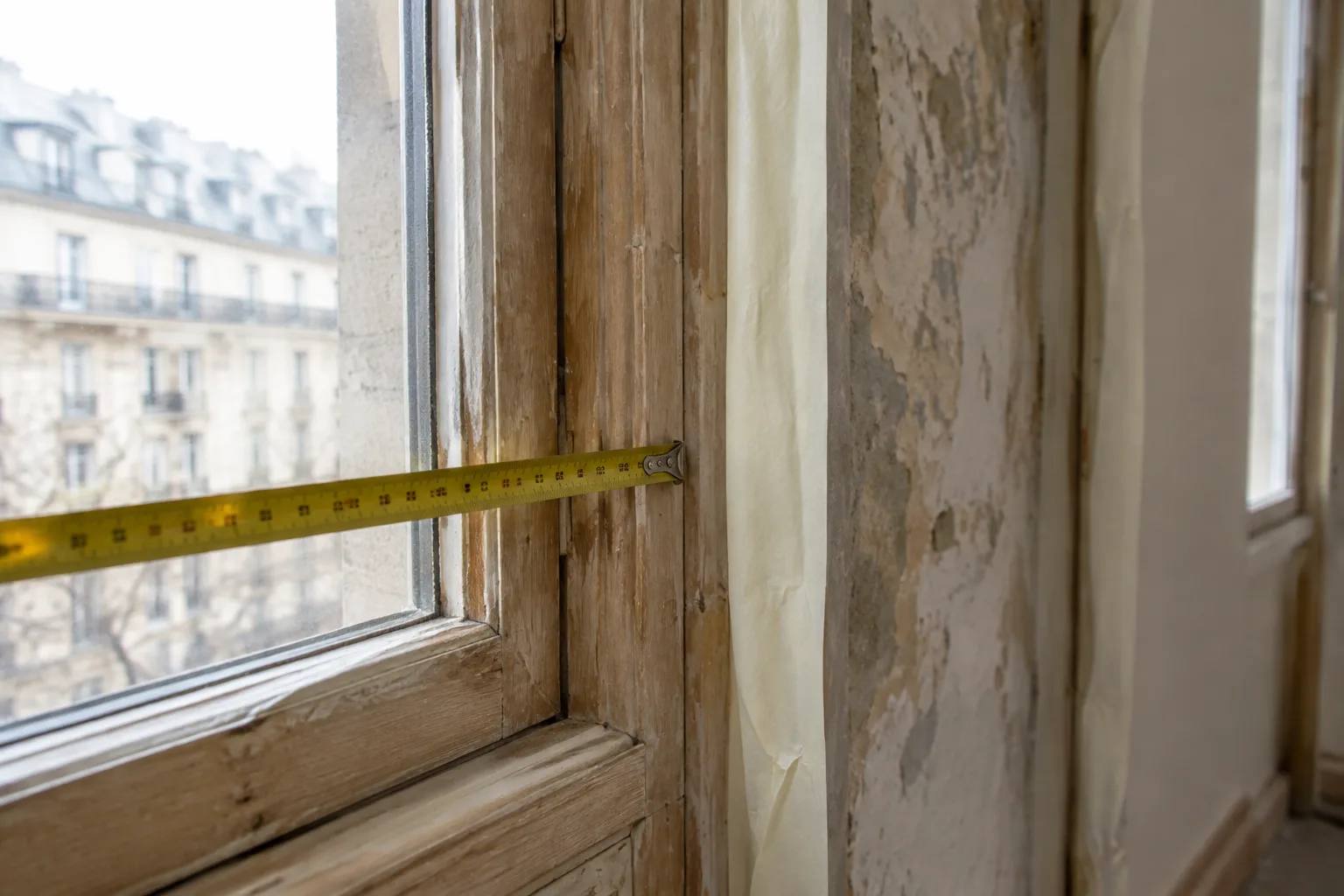
An energy renovation of a Paris apartment is no longer an optional upgrade. It is the single intervention that most affects whether you can legally let a flat, how buyers price it, and how comfortable it is to live in through a Parisian winter. For international owners, understanding the link between the DPE (the energy performance diagnosis), the works that improve it, and the grants that offset the cost is now part of due diligence, not an afterthought.
This guide ties the three strands together: the value and lettability driver, the works themselves, and the funding. It is deliberately holistic, so you can decide where an energy renovation fits in your plans before you commission anything.
Why energy renovation matters for Paris owners
The DPE grades a dwelling from A (best) to G (worst) on energy use and greenhouse-gas emissions. In older Parisian stock, the result matters far beyond the utility bill.
Two forces converge. First, buyers price the DPE. A poorly rated flat invites a discount: purchasers mentally subtract the cost of insulation, window replacement and a new heating system, then negotiate harder. A well-rated flat removes that friction and sells faster. Second, the state is phasing energy-inefficient homes out of the rental market, which directly affects any owner buying to let.
There is also comfort and running cost. Many period apartments leak heat through single-glazed windows, uninsulated walls and old boilers. The same works that lift a DPE letter also make rooms warmer, quieter and cheaper to run, which is why energy renovation rarely stands alone: it overlaps naturally with soundproofing, window restoration and heating upgrades.
The DPE and letting restrictions
France is progressively banning the letting of the worst-rated homes. The timetable has already removed the lowest G-rated dwellings and continues to tighten through the rest of the decade, moving up the scale toward F and then E. The exact dates shift with legislation, so the safe rule for a buyer is simple: the lower your letter, the sooner your flat becomes unlettable without works.
This has practical consequences at purchase:
- If you intend to let, a G or F rating is a liability you must budget to fix, not a curiosity.
- Co-ownership rules may require condominium-wide diagnostics and multi-year works plans, which can affect your private project and its timing.
- A strong DPE is increasingly a resale argument in its own right, alongside location and finish.
For a deeper look at the specifically Parisian challenges, from thin facades to protected elevations, our guide to improving the DPE of a period apartment covers insulation, windows and heating in detail.
The works that move the DPE
Not every intervention shifts the rating equally. In a Haussmannian or faubourien flat, the biggest gains usually come from a short list.
Windows and glazing
Original single-glazed windows are often the largest single source of heat loss. Replacing or doubling them, or restoring timber frames with high-performance glazing, improves comfort immediately and is usually eligible for support. In protected buildings, the solution must respect the facade, which is where craftsmanship and syndic approval matter.
Heating and hot water
Swapping an old gas boiler or aged electric convectors for an efficient heat pump, a modern condensing system, or a well-controlled electric setup can move several DPE points. Hot-water production counts too.
Insulation
External wall insulation is rarely possible on a protected Parisian facade, so internal insulation, combined with attention to the roof (for top-floor flats under the zinc) and floors above unheated spaces, does the work. Insulation must be detailed carefully to avoid condensation behind period walls.
Ventilation and air-tightness
Controlled mechanical ventilation (VMC) and better air-tightness round out the package. They protect the fabric of an old building once it is made warmer and less draughty.
Deciding how far to push these interventions without erasing the character of a period flat is a balancing act, and our piece on renovating a period apartment without stripping away its character is a useful companion read.
Costs and available grants
Costs vary enormously with the building, the starting rating and the scope. As indicative ranges for the Paris high-end market:
- Targeted energy works (windows, a new heating system, insulation of key surfaces) typically fall in a few tens of thousands of euros for a mid-sized flat, depending on how many of the big-ticket items you tackle.
- A full renovation that includes an energy upgrade runs on a per-square-metre basis. For a premium turnkey project, expect figures broadly in the range of €2,500 to €4,500 per m² and upward for the most demanding specifications, with the energy component folded into that total. Treat these as orientation figures, not quotes.
For a structured breakdown of renovation budgets, see our detailed guide to how much an apartment renovation costs in Paris.
Grants and support
Several mechanisms can offset energy work: the national MaPrimeRénov' scheme, energy-supplier certificate bonuses (CEE), a reduced VAT rate on qualifying works, and interest-free eco-loans. Eligibility depends on the property, the works, the installer's certification, and sometimes your situation, and the rules change year to year.
Because the detail shifts, read our up-to-date overview of MaPrimeRénov' and 2026 grants for Paris property owners before you plan the funding. The one constant worth remembering: most grants require a certified (RGE) installer and documentation filed before works begin, so the paperwork cannot be an afterthought.
When to combine it with a full renovation
Energy works are disruptive: they touch windows, walls, floors and heating. Doing them in isolation means living through dust and scaffolding twice if you later remodel. In most cases it is far more efficient to fold the energy upgrade into a single project.
Combining them has three advantages:
- One site, one disruption. Opening walls for electrics is the moment to add insulation; replacing windows pairs naturally with redecoration.
- Better coordination. Heating, ventilation and layout decisions interact, and a single team avoids clashes.
- Stronger resale or rental position. A flat that is both beautifully finished and well-rated commands the clearest premium.
This is the logic behind our Renovate to Stay approach, where comfort, value and energy performance are planned as one. If your goal is resale, the same thinking applies to a renovation aimed at selling faster and for more, where a strong DPE is part of the pitch.
The best time to improve a DPE is while the walls are already open. Retrofitting energy performance later costs more and disturbs a finished home.
If you are weighing a purchase and want to know what an energy renovation would involve for a specific flat, a quick renovation estimate is the fastest way to turn these ranges into a figure you can plan around.